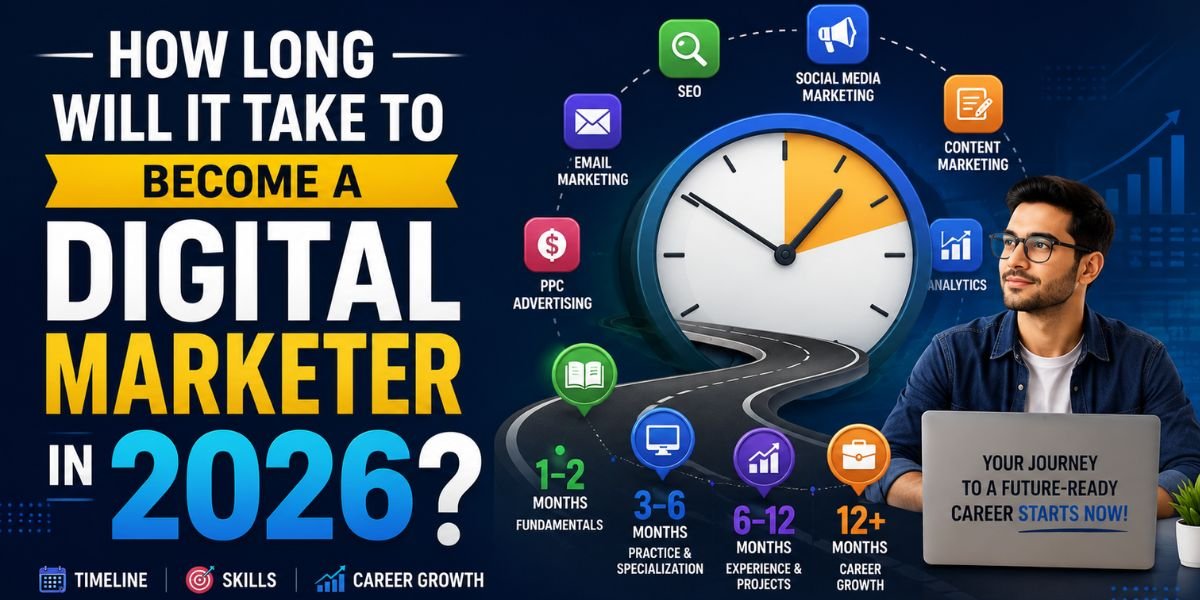
Let’s cut through the noise. You’ve seen the ads, the promises of becoming a “digital marketing guru” in a weekend. You’ve heard the whispers about overnight successes. But here’s the unvarnished truth, the one that might sting a little: learning digital marketing isn’t a sprint; it’s a marathon, and for many, it’s a lifelong expedition. If you’re looking for a magic bullet or a five-minute course to make you an expert, you’re in the wrong place. But if you’re ready to roll up your sleeves, understand the nuances, and build a truly valuable skillset that adapts to our ever-evolving digital landscape, then keep reading. We’re going to dive deep into what it really takes to learn digital marketing, exploring the factors that influence your timeline, the different learning paths available, and what true mastery actually looks like in 2026. Forget the shortcuts; we’re here to talk about building a solid foundation and a career.
Master digital marketing faster with the industry-focused Digital Marketing Bootcamp and Advanced Digital Marketing Certification Program by Web Trainings Academy. Designed for students, job seekers, professionals, and business owners, the program combines practical training, AI-powered marketing tools, live projects, internships, and placement assistance to help you become job-ready in just 2.5 to 5 months. Learn SEO, Google Ads, Social Media Marketing, Analytics, AI tools, and more from experienced industry experts with hands-on learning and real-time case studies. Whether you want a high-paying career, freelancing opportunities, or business growth, this advanced certification program gives you the practical skills needed to succeed in the fast-growing digital marketing industry
The Myth of Instant Expertise: Why “Fast” Is Often a Red Flag
The digital marketing world is a goldmine for those who can navigate its complexities. Businesses are pouring billions into online advertising, content creation, and customer engagement. This demand has unfortunately created a fertile ground for misinformation. Gurus emerge daily, peddling “secret formulas” and “proven systems” that promise rapid results.
Here’s the problem with these claims:
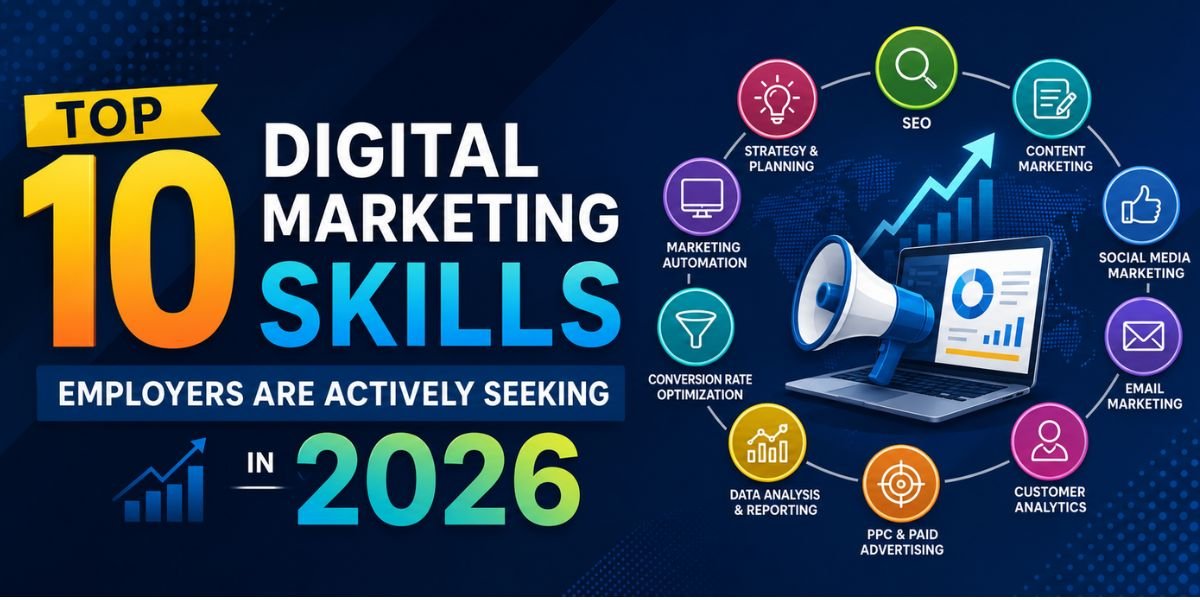
- Digital marketing is multifaceted: It’s not one skill, but a constellation of disciplines. Think SEO, SEM, content marketing, social media marketing, email marketing, analytics, CRO (Conversion Rate Optimization), and more. Each of these areas has its own depth and breadth of knowledge. Mastering even one can take significant time.
- The landscape is constantly changing: Algorithms update, new platforms emerge, consumer behavior shifts. What worked yesterday might be obsolete today. A “quick fix” course will likely teach you outdated strategies, leaving you ill-equipped for the current realities. The U.S. Bureau of Labor Statistics highlights the need for continuous learning in this field.
- Real-world experience is irreplaceable: Theory is essential, but putting knowledge into practice is where true learning happens. This involves experimentation, analyzing results, making mistakes, and refining your approach. This hands-on experience simply cannot be condensed into a few hours or days.
So, when you see a course promising mastery in a week, ask yourself: what are they really offering? Likely, it’s a superficial overview, not the deep understanding required for genuine success.
Deconstructing the Digital Marketing Skillset: What Are We Actually Learning?
Before we can talk about timelines, we need to understand the building blocks of digital marketing. Think of it like learning to build a house. You wouldn’t just learn how to hammer a nail; you’d need to understand carpentry, plumbing, electrical work, foundation laying, and design. Digital marketing is similar.
Here are some of the core pillars:
1. Search Engine Optimization (SEO)
This is the art and science of making your website visible in search engine results pages (SERPs) like Google. It involves:
- Keyword research: Understanding what terms people are searching for.
- On-page optimization: Optimizing website content, meta descriptions, titles, and images.
- Off-page optimization: Building backlinks and establishing authority.
- Technical SEO: Ensuring your website is crawlable, indexable, and loads quickly.
- Local SEO: Optimizing for local searches (e.g., “pizza near me”).
Learning SEO requires understanding search engine algorithms, user intent, and technical website architecture. It’s a field that demands constant adaptation due to frequent algorithm updates from search engines.
2. Search Engine Marketing (SEM) / Pay-Per-Click (PPC) Advertising
This involves paid advertising on search engines, most commonly Google Ads. Key aspects include:
- Campaign setup and management: Creating ad groups, writing compelling ad copy, and setting bids.
- Keyword targeting: Selecting the right keywords to bid on.
- Audience segmentation: Reaching specific demographic or interest groups.
- Budget management: Allocating ad spend effectively.
- Performance analysis: Tracking metrics like click-through rates (CTR), conversion rates, and return on ad spend (ROAS).
Mastering SEM requires a strong analytical mindset and the ability to interpret complex data to optimize campaigns for maximum ROI.
3. Content Marketing
This is about creating and distributing valuable, relevant, and consistent content to attract and retain a clearly defined audience. It encompasses:
- Content strategy: Planning what content to create, for whom, and why.
- Content creation: Writing blog posts, creating videos, designing infographics, producing podcasts, etc.
- Content distribution: Promoting content across various channels.
- Measuring content performance: Understanding engagement, reach, and impact on business goals.
Effective content marketing requires creativity, an understanding of audience psychology, and strong storytelling skills.
4. Social Media Marketing (SMM)
This involves using social media platforms (like Facebook, Instagram, LinkedIn, TikTok, X) to connect with your audience, build brand awareness, drive traffic, and increase sales. It includes:
- Platform strategy: Choosing the right platforms for your audience.
- Content creation and scheduling: Developing engaging posts and managing a content calendar.
- Community management: Interacting with followers, responding to comments, and fostering engagement.
- Social media advertising: Running paid campaigns on social platforms.
- Social listening: Monitoring brand mentions and industry trends.
SMM requires understanding the unique culture and algorithms of each platform, as well as strong communication and customer service skills.
5. Email Marketing
Despite the rise of social media, email remains a powerful tool for direct communication with customers. Key elements include:
- List building: Growing an email subscriber list ethically.
- Campaign creation: Designing and writing effective email newsletters, promotional emails, and automated sequences.
- Segmentation and personalization: Tailoring messages to specific audience segments.
- A/B testing: Optimizing subject lines, content, and calls to action.
- Analytics: Tracking open rates, click-through rates, and conversions.
Successful email marketing hinges on building trust, providing value, and understanding customer journeys.
6. Digital Analytics
This is the backbone of all digital marketing efforts. It involves tracking, collecting, and analyzing data to understand user behavior and measure the effectiveness of marketing campaigns. Tools like Google Analytics are crucial. Key areas include:
- Data interpretation: Making sense of website traffic, user demographics, and behavior flow.
- KPI identification: Defining Key Performance Indicators relevant to business objectives.
- Reporting: Communicating insights to stakeholders.
- Attribution modeling: Understanding which channels contribute most to conversions.
A strong grasp of analytics allows for data-driven decision-making, which is fundamental to success in digital marketing.
7. Conversion Rate Optimization (CRO)
CRO is the process of increasing the percentage of website visitors who take a desired action, such as filling out a form, making a purchase, or signing up for a newsletter. This involves:
- User behavior analysis: Understanding why visitors aren’t converting.
- A/B testing and multivariate testing: Experimenting with different website elements (headlines, calls to action, page layouts).
- Usability testing: Ensuring a seamless user experience.
CRO is a highly analytical and iterative process that requires a deep understanding of user psychology and web design principles.
Factors Influencing Your Digital Marketing Learning Timeline
So, how long does it actually take? The honest answer is: it depends. Several key factors will shape your individual learning curve:
1. Your Starting Point and Prior Experience
- Complete beginner: If you have no prior marketing or technical background, expect a longer learning curve. You’ll be starting from scratch with fundamental concepts.
- Marketing background (traditional): If you have experience in traditional marketing, you’ll have a good grasp of core marketing principles (segmentation, positioning, branding), which will accelerate your learning of the digital aspects.
- Technical background: If you have a background in IT, web development, or data analysis, you might find the technical aspects of SEO, analytics, or SEM easier to grasp.
- Related digital skills: Experience in graphic design, copywriting, or customer service can provide a valuable foundation.
2. Learning Goals and Depth of Understanding
- Basic understanding: If your goal is just to understand the terminology and general concepts for a broader business role, you might achieve this in a few weeks of focused study.
- Proficiency in one area: If you aim to be proficient in a specific area, like social media management or basic SEO, you might reach a competent level within 3-6 months of dedicated learning and practice.
- Specialist level: Becoming a specialist in a niche area like technical SEO or advanced PPC management could take 1-2 years of focused study and hands-on experience.
- Full-stack digital marketer: Aiming to be competent across multiple disciplines requires several years of continuous learning and application. This is where the “lifelong journey” aspect really comes into play.
3. Time Commitment and Learning Method
- Full-time study: Dedicating 30-40 hours per week to learning (like in a full-time bootcamp or intensive course) will naturally lead to faster progress than part-time study.
- Part-time study: Learning for 5-10 hours per week will extend the timeline considerably.
- Learning resources: The quality and structure of your learning resources matter. A well-designed course or curriculum will be more efficient than haphazardly consuming blog posts.
- Hands-on practice: This is non-negotiable. The more you apply what you learn, the faster you will progress. This could involve personal projects, volunteer work, or internships.
4. Learning Style and Aptitude
- Analytical vs. Creative: Some individuals naturally excel at the analytical aspects (data, metrics), while others thrive in the creative domains (content, design). Identifying your strengths can help you focus your learning.
- Learning style: Do you learn best by reading, watching videos, doing practical exercises, or a combination? Tailoring your approach to your learning style can improve efficiency.
- Problem-solving skills: Digital marketing often involves troubleshooting and finding solutions. Strong problem-solving abilities will accelerate your learning.
Realistic Timelines: A Breakdown by Proficiency Level
Let’s move beyond the abstract and put some rough numbers on it. These are estimates, and your mileage may vary significantly.
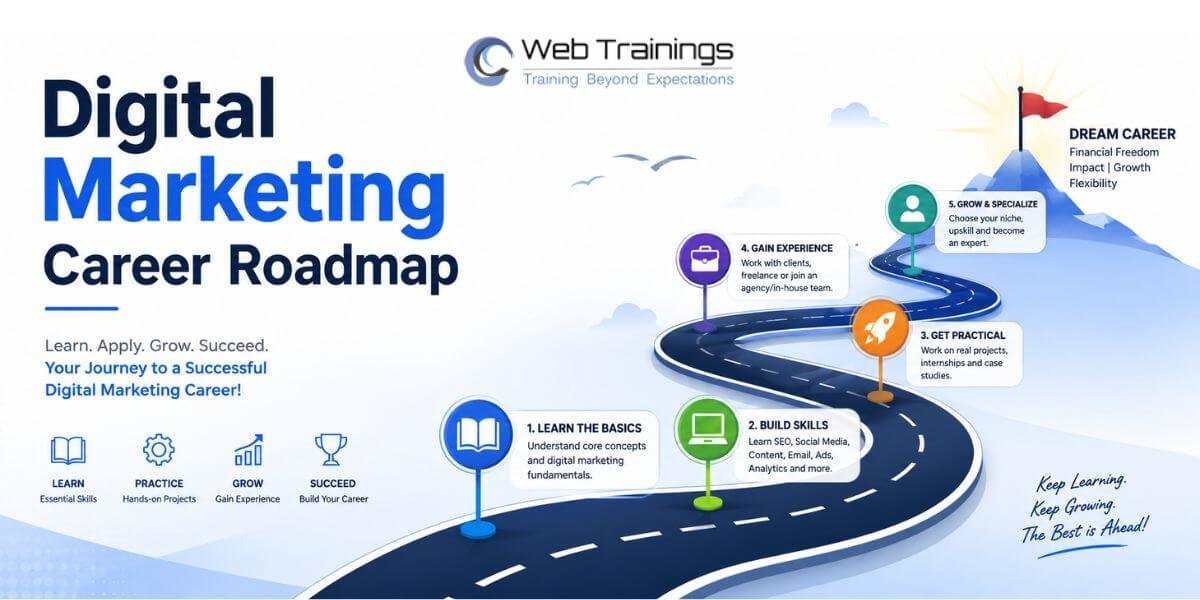
Foundational Knowledge (1-3 Months)
- What you’ll achieve: Understand the core concepts of SEO, SEM, content, social media, and email marketing. Be able to explain what each discipline entails and its basic objectives. You’ll likely know the terminology.
- Learning activities: Completing introductory online courses (e.g., Google Digital Garage, HubSpot Academy), reading foundational blogs, watching introductory videos.
- Practice: Perhaps setting up a simple blog or social media profile for practice.
Outcome: You can hold a conversation about digital marketing and understand basic reports. You are not* yet ready to manage campaigns independently.
Competent Practitioner (6-12 Months)
- What you’ll achieve: Gain practical skills in at least one or two core areas (e.g., executing basic SEO tasks, managing simple Google Ads campaigns, writing blog posts, managing a social media calendar). You can interpret basic analytics data.
- Learning activities: Intermediate courses, workshops, reading advanced guides, following industry news.
- Practice: Working on personal projects (e.g., optimizing your own blog, running small ad campaigns with a tiny budget), volunteering for a small non-profit, or taking on small freelance gigs. This is where you start making mistakes and learning from them.
Outcome: You can perform specific digital marketing tasks under supervision or for smaller projects. You understand the why behind the what*.
Proficient Specialist (1-3 Years)
- What you’ll achieve: Deep expertise in one or two specific areas (e.g., advanced technical SEO, complex PPC campaign management, data analysis and reporting, comprehensive content strategy development). You can independently strategize, implement, and optimize campaigns for measurable results.
- Learning activities: Advanced certifications, specialized courses, attending industry conferences, continuous self-study, mentorship.
- Practice: Working in agency roles, in-house marketing departments, or taking on significant freelance projects. You’ve likely managed substantial budgets and complex campaigns. You understand nuances and can troubleshoot effectively.
Outcome: You are a valuable asset capable of driving significant results in your area of specialization. You can mentor others.
Expert / Thought Leader (5+ Years)
- What you’ll achieve: A comprehensive understanding across multiple disciplines, the ability to develop overarching digital strategies, and a proven track record of success. You can anticipate trends and adapt strategies accordingly. You may be sought after for consulting or speaking engagements.
- Learning activities: Continuous learning, experimentation, staying at the forefront of industry developments, contributing to the industry (writing, speaking, teaching).
- Practice: Leading marketing teams, developing high-level strategies for large organizations, innovating new approaches.
Outcome: You are recognized as a leader in the field, capable of shaping the direction of digital marketing efforts.
Learning Paths: Choosing Your Route
There isn’t a single “right” way to learn digital marketing. The best path for you depends on your learning style, budget, and time availability.
1. Online Courses and Certifications
- Pros: Structured curriculum, often self-paced, affordable to free options available, recognized certifications (e.g., Google Ads, Google Analytics, HubSpot).
- Cons: Can be theoretical without enough practical application, quality varies greatly, completion rates can be low if not self-disciplined.
Examples:
- Google Digital Garage: Offers free introductory courses on various digital marketing topics.
- HubSpot Academy: Provides excellent free courses and certifications in inbound marketing, content marketing, social media, and more.
- Coursera, edX, Udemy, Skillshare: Offer a vast array of courses from reputable institutions and industry experts, often at affordable prices. Look for courses with practical assignments and good reviews.
- Specialized Platforms: Semrush Academy, Moz Academy for SEO-focused learning.
2. Bootcamps (Online or In-Person)
- Pros: Intensive, immersive, hands-on training, often career-focused with job placement assistance, strong networking opportunities.
- Cons: Significantly more expensive, demanding time commitment (often full-time for several weeks or months).
- Considerations: Research the curriculum thoroughly, look for strong instructor credentials, and check graduate reviews and job placement statistics.
3. Formal Education (University Degrees)
- Pros: Comprehensive theoretical foundation, broad business knowledge, networking with professors and peers, recognized credentials.
- Cons: Longest time commitment (years), most expensive, curriculum might lag behind the rapidly evolving digital landscape, may be less focused on practical, hands-on skills compared to bootcamps or self-study.
- Relevance: A degree in marketing, business, or communications can provide a solid base, but will likely need to be supplemented with ongoing digital-specific learning and certifications.
4. Self-Study and Practical Application
- Pros: Highly flexible, can be very cost-effective, allows you to focus on exactly what interests you.
- Cons: Requires immense self-discipline and motivation, can be difficult to know where to start or what resources are reliable, lacks formal structure and external validation (like certifications).
Key Components:
- Reading: Industry blogs (Search Engine Journal, Moz Blog, Content Marketing Institute), books on digital marketing, marketing news sites.
- Following Experts: On platforms like LinkedIn and X.
- Experimenting: Start your own blog, build a website, run small social media campaigns for a fictional brand, offer to help a local charity.
- Analyzing: Use tools like Google Analytics (even on a personal project) to understand data.
5. Mentorship and Networking
- Pros: Invaluable real-world insights, personalized guidance, career advice, potential job opportunities.
- Cons: Finding a good mentor can be challenging, relies heavily on the mentor’s availability and willingness to share knowledge.
- How to find: Attend industry events (online or offline), join professional groups on LinkedIn, reach out to people whose work you admire (respectfully!).
Building Your Digital Marketing Skillset: A Practical Approach
Regardless of your chosen path, effective learning involves a blend of theory and practice. Here’s how I approach it:
- Start with the Fundamentals: Don’t jump straight into advanced PPC bidding strategies. Understand what SEO is, why content marketing matters, and the basic function of social media. Use free resources like Google Digital Garage or HubSpot Academy.
- Choose a Niche (Initially): Trying to learn everything at once is overwhelming. Pick one area that interests you most – maybe SEO or social media – and dive deeper. Become competent there first.
- Get Hands-On ASAP: This is the most crucial step. Theory is useless without application.
- Personal Project: Start a blog about a hobby. Learn basic WordPress, write content, try to optimize it for search engines (on-page SEO), set up a social media profile to promote it, and install Google Analytics to track visitors.
- Volunteer: Offer your budding skills to a local non-profit, a friend’s small business, or a community organization. They often need help and provide invaluable real-world experience.
- Freelance (Small Scale): Look for small, entry-level gigs on platforms like Upwork or Fiverr. Start with simple tasks to build your portfolio and gain experience.
- Learn to Analyze Data: Digital marketing is data-driven. Get comfortable with Google Analytics. Understand what metrics matter and how to interpret them. Even tracking your personal blog’s performance will teach you a lot.
- Stay Curious and Adaptable: The digital landscape shifts constantly. Dedicate time each week to reading industry news, following thought leaders, and learning about new tools and algorithm updates. A commitment to lifelong learning is essential. Harvard Business Review often publishes articles on adapting to technological change.
- Network and Learn from Others: Connect with other marketers. Join online communities, attend webinars, and participate in discussions. Learn from their successes and failures.
- Seek Feedback: Ask for feedback on your work, whether it’s from a mentor, a client, or peers in an online forum. Constructive criticism is vital for growth.
How Long Does It Really Take? A Personal Reflection
I remember when I first dipped my toes into digital marketing. I devoured free courses, read countless blog posts, and felt like I was drowning in information. It took me a solid six months of consistent, focused effort – including building and promoting a personal website, before I felt confident enough to apply for entry-level marketing roles. Even then, my first marketing job was a steep learning curve, and I continued to learn exponentially on the job.
To become truly proficient in my chosen specialization (content strategy and SEO), it took another two years of dedicated practice, experimentation, and continuous learning. And I’m still learning every single day. New tools emerge, algorithms change, and audience behaviors evolve. The idea that you can “learn digital marketing” and be done is simply not realistic.
Think about it this way: learning to play a musical instrument. You can learn basic chords and play a few simple songs in a few months. But to become a virtuoso? That takes years of dedicated practice, theory, and performance. Digital marketing is no different.
Frequently Asked Questions (FAQs)
Q1: Can I learn digital marketing in just a few weeks?
A1: You can learn the basics and terminology of digital marketing in a few weeks by taking introductory courses. However, you will not gain the practical skills or in-depth understanding required to effectively manage campaigns or strategies. True proficiency takes months, if not years, of consistent learning and hands-on practice.
Q2: What is the fastest way to learn digital marketing?
A2: The “fastest” way involves a combination of structured learning (high-quality online courses or a bootcamp) and immediate, intensive hands-on practice. Focus on one or two core areas initially, apply what you learn to real projects (personal or volunteer), and dedicate significant time daily. However, “fast” is relative; expect at least 3-6 months for foundational competence.
Q3: Is digital marketing hard to learn?
A3: Digital marketing requires a blend of analytical, creative, and technical skills. It can be challenging because the landscape is constantly evolving, and there’s a vast amount of information to absorb. However, with a structured approach, consistent practice, and a willingness to learn, it is absolutely achievable. Breaking it down into smaller components makes it more manageable.
Q4: Do I need a degree to work in digital marketing?
A4: No, a formal degree is not strictly required to work in digital marketing. Many successful digital marketers are self-taught or come from diverse educational backgrounds. What employers value most are demonstrable skills, practical experience (portfolio, case studies), certifications, and a track record of delivering results. Wikipedia’s entry on Digital Marketing outlines its various components and evolution, highlighting the skill-based nature of the field.
Q5: How much experience do I need to get my first digital marketing job?
A5: For entry-level positions (like Marketing Assistant, Junior SEO Specialist, Social Media Coordinator), employers often look for some practical experience, even if it’s from personal projects, internships, or volunteer work. Demonstrating you’ve applied your knowledge (e.g., by showing a personal blog you’ve optimized, or a social media campaign you ran) is often more valuable than just having certifications. Building a portfolio is key.
Q6: How do I stay updated with digital marketing trends?
A6: Staying updated requires a proactive approach. Regularly read reputable industry blogs (e.g., Search Engine Journal, Moz, Social Media Examiner), follow key influencers and companies on social media, subscribe to industry newsletters, listen to marketing podcasts, and consider attending webinars or virtual conferences. Dedicate time each week specifically for learning and staying current.
Conclusion: Embrace the Journey, Not Just the Destination
The allure of quick results in digital marketing is strong, but it’s a mirage. True expertise is built over time, through consistent learning, practical application, and adaptation. Don’t be discouraged by the perceived complexity or the ever-changing nature of the field. Instead, embrace it.
Understand that learning digital marketing is not a finite task with an endpoint. It’s a dynamic, ongoing process. The timeline for mastery varies greatly depending on your goals, dedication, and chosen path. Whether it takes you six months to feel competent or several years to become a specialist, the most important factor is your commitment to continuous learning and practical application.
Start today, be patient with yourself, celebrate small wins, learn from your mistakes, and most importantly, enjoy the process. The digital marketing world offers incredible opportunities for those willing to put in the real work. So, roll up your sleeves, dive in, and begin building your own digital marketing mastery timeline. The journey itself is where the real value lies.