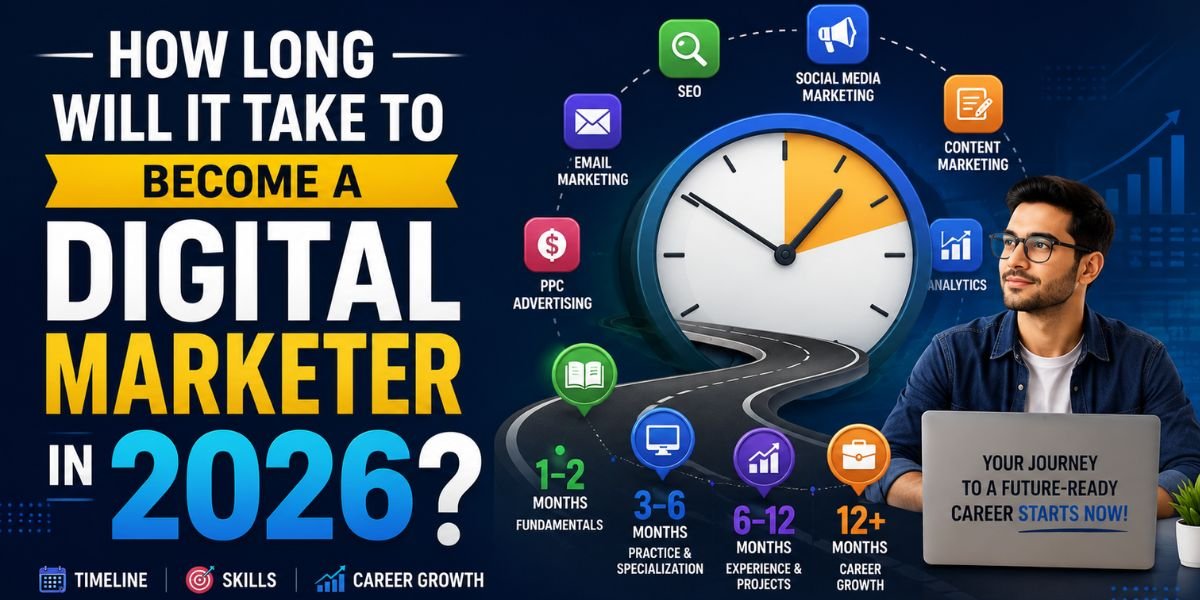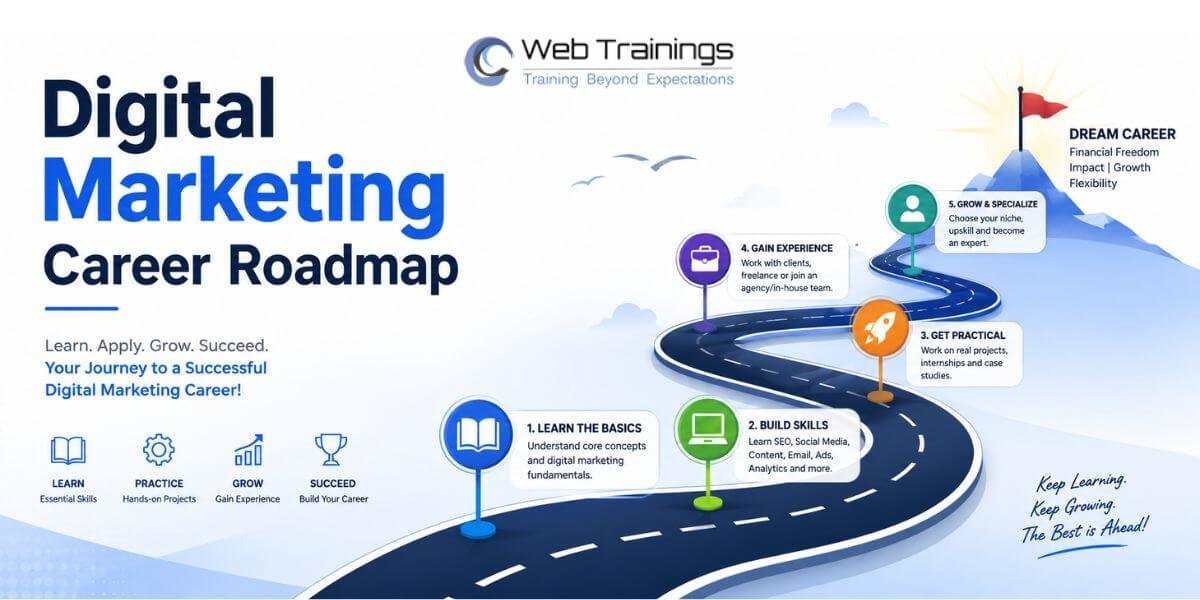
Forget everything you thought you knew about career paths. The traditional route years of schooling, followed by a slow climb up a corporate ladder – is increasingly a relic of the past. In the dynamic world of digital marketing, a swift, focused transition from eager student to capable professional is not just possible; it’s happening right now. In fact, I believe you can build a solid foundation and land your first digital marketing role in as little as four months. Yes, you read that right. Four months. This isn’t about magic beans or overnight success; it’s about a strategic, intensive, and highly actionable roadmap designed to equip you with the skills, knowledge, and confidence to thrive in this exciting field.
The digital marketing landscape is evolving at breakneck speed. New platforms emerge, algorithms shift, and consumer behaviors change constantly. This rapid evolution, however, presents an incredible opportunity for those willing to adapt and learn quickly. While a degree can be beneficial, it’s often the practical, up-to-date skills that employers are actively seeking. This roadmap is built on that premise, focusing on what truly matters for getting hired and succeeding in your early career. We’ll cut through the noise and focus on the essential pillars of digital marketing, providing a clear path for you to follow.
This isn’t just about learning theory; it’s about building a portfolio, gaining hands-on experience, and understanding how to translate your newfound knowledge into tangible results for businesses. We’ll cover everything from the foundational concepts to the more specialized areas, all within a compressed timeframe. It’s an ambitious goal, certainly, but one that is entirely achievable with dedication, focus, and the right strategy. So, if you’re ready to ditch the conventional and embrace a faster, more effective path to a rewarding career, buckle up. This four-month journey is about to begin.
Month 1: Building the Foundation – Core Concepts and Essential Tools
The first month is all about immersion. You need to understand the “why” behind digital marketing and get comfortable with the fundamental building blocks. This isn’t the glamorous part, but it’s the most crucial. Skipping this phase is like trying to build a skyscraper on sand.
Understanding the Digital Marketing Ecosystem
Before diving into specific channels, it’s vital to grasp the overarching landscape. Digital marketing isn’t a single entity; it’s a collection of interconnected disciplines working together to achieve business objectives.
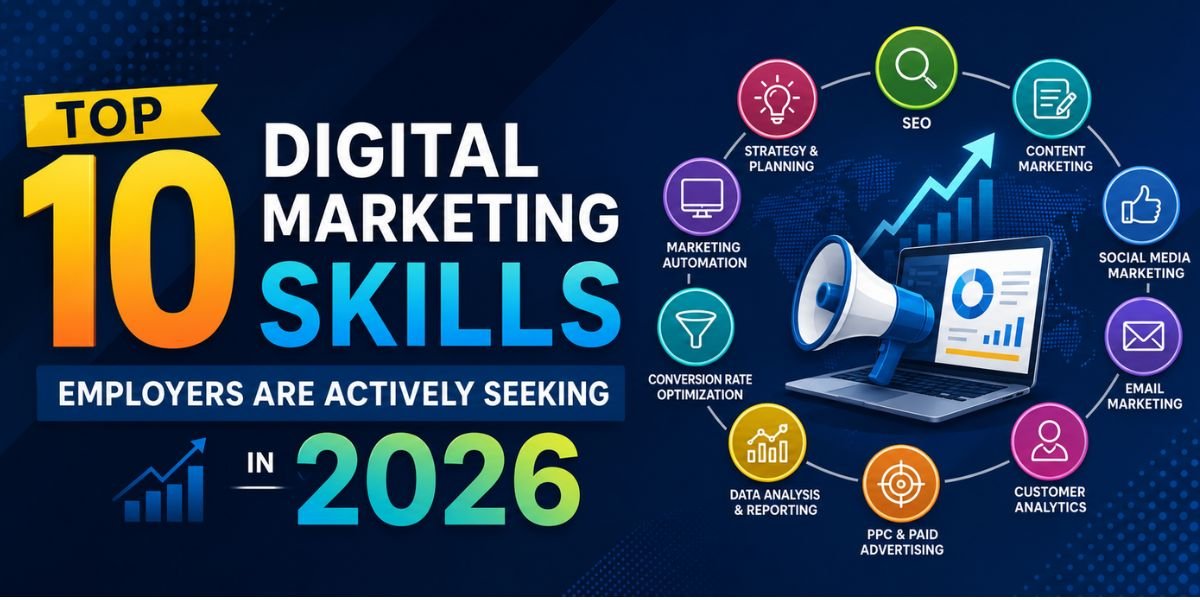
- Search Engine Optimization (SEO): This is the art and science of making websites visible in search engine results pages (SERPs). Think of it as making your website the most attractive option when someone searches for something related to your business. We’ll cover on-page SEO (keywords, content, meta tags), off-page SEO (backlinks, authority), and technical SEO (site speed, mobile-friendliness, crawlability). Understanding how search engines work, like Google’s approach to indexing and ranking, is key.
- Search Engine Marketing (SEM) / Pay-Per-Click (PPC): This involves paid advertising on search engines, primarily Google Ads. It’s about bidding on keywords to get your ads in front of users actively searching for your products or services. We’ll explore ad copywriting, keyword research for paid campaigns, bid management, and campaign structure.
- Social Media Marketing (SMM): This encompasses using social media platforms (Facebook, Instagram, LinkedIn, Twitter, TikTok, etc.) to connect with your audience, build brand awareness, drive traffic, and generate leads. We’ll look at content strategy, community management, paid social advertising, and analytics.
- Content Marketing: This is the strategic approach to creating and distributing valuable, relevant, and consistent content to attract and retain a clearly defined audience – and, ultimately, to drive profitable customer action. This includes blog posts, videos, infographics, podcasts, and more.
- Email Marketing: Still one of the most effective channels, email marketing is about nurturing leads and building customer relationships through targeted email campaigns. We’ll cover list building, segmentation, automation, and copywriting for engagement.
- Affiliate Marketing: A performance-based marketing strategy where a business rewards one or more affiliates for each visitor or customer brought by the affiliate’s own marketing efforts.
- Influencer Marketing: Collaborating with individuals who have a significant online following to promote products or services.
- Analytics and Data Interpretation: The backbone of all digital marketing. You need to know what’s working, what’s not, and why. This involves understanding tools like Google Analytics and learning to interpret key performance indicators (KPIs).
Expert Insight: “In today’s digital-first world, understanding how consumers interact with brands online is paramount. Digital marketing careers offer a dynamic and evolving landscape where continuous learning is not just a benefit, but a necessity.” a quote attributed to a leading digital marketing strategist.
Essential Tools of the Trade
You can’t drive a car without a steering wheel, and you can’t do digital marketing without the right tools. Familiarize yourself with these essential platforms:
- Google Analytics: The undisputed king of website analytics. Learn to navigate its interface, set up goals, track conversions, and understand key reports. This is non-negotiable.
- Google Search Console: Provides insights into how Google sees your website and helps you monitor its performance in Google Search.
- Google Ads: The platform for running PPC campaigns on Google’s search network and display network.
- Social Media Management Tools: Platforms like Hootsuite, Buffer, or Sprout Social help you schedule posts, monitor conversations, and analyze performance across multiple social channels.
- Email Marketing Platforms: Mailchimp, Constant Contact, or HubSpot offer tools for building email lists, designing campaigns, and automating messages.
- Keyword Research Tools: Google Keyword Planner (free with a Google Ads account), SEMrush, Ahrefs (paid but offer free trials/limited features) help you discover what people are searching for.
- Project Management Tools: Asana, Trello, or Monday.com are essential for staying organized, managing tasks, and collaborating with potential future team members.
Setting Up Your Learning Environment
- Dedicated Study Time: Treat this like a job. Block out specific hours each day for learning and practice.
- Online Courses: Platforms like Coursera, Udemy, HubSpot Academy, and Google Digital Garage offer excellent introductory and specialized courses. Many are free or very affordable. Focus on courses with practical exercises and certifications.
- Industry Blogs and Publications: Follow reputable sources like Search Engine Journal, MarketingProfs, Moz, and Content Marketing Institute.
- Podcasts: Listen to digital marketing podcasts during your commute or downtime. This is a great way to absorb information passively.
Actionable Task for Month 1: Complete at least one comprehensive introductory digital marketing course (e.g., Google Digital Garage’s Fundamentals of Digital Marketing). Set up accounts for Google Analytics and Google Search Console (you can use a personal website or a free blog if you don’t have a business). Start a simple spreadsheet to track new terms, concepts, and tools you’re learning.
Month 2: Deep Dive into Specializations and Practical Application
Now that you have a foundational understanding, it’s time to get your hands dirty. This month is about choosing one or two areas to focus on and applying your knowledge in practical scenarios.
Choosing Your Niche (or Starting Broad)
While it’s tempting to be a jack-of-all-trades, specializing can help you stand out faster. Consider which areas you found most interesting in Month 1.
- SEO Specialist: Focus on keyword research, on-page optimization, technical SEO audits, and link building strategies.
- PPC Specialist: Dive deep into Google Ads and social media advertising platforms, focusing on campaign setup, ad copywriting, bid optimization, and performance analysis.
- Content Marketing Specialist: Concentrate on content strategy, copywriting, SEO-driven content creation, and content distribution.
- Social Media Manager: Master content creation for different platforms, community engagement, social media advertising, and analytics.
- Email Marketing Specialist: Learn about email automation, list segmentation, A/B testing, and campaign performance optimization.
Even if you don’t intend to specialize immediately, spend more time practicing with the tools and concepts related to your chosen focus.
Hands-On Practice: Building Your Portfolio
This is where you bridge the gap between learning and doing. Employers want to see what you can actually do.
- Personal Project: Start a blog, a simple e-commerce site (using platforms like Shopify), or even a well-optimized social media profile on a topic you’re passionate about. Apply SEO principles, create content, promote it, and track your results using Google Analytics. This is your sandbox.
- Volunteer Work: Offer your digital marketing services to a local non-profit organization, a friend’s small business, or a community group. This provides real-world experience and a chance to build case studies. Be professional, set expectations, and deliver results.
- Simulated Campaigns: Many online courses include simulated projects. Take advantage of these. If not, you can create hypothetical scenarios. For example, imagine you’re managing the social media for a new coffee shop. What would your strategy be? What kind of ads would you run? Document your plans.
- Analyze Existing Campaigns: Pick a brand you admire (or one you think is doing poorly) and analyze their digital marketing efforts. What are they doing well? Where are they missing opportunities? Write up your findings as if you were presenting them to the client.
Understanding Key Performance Indicators (KPIs)
Every digital marketing activity should be tied to business goals. Learn to identify and track the right KPIs for different objectives:
- Awareness: Website Traffic, Social Media Reach, Impressions, Brand Mentions.
- Engagement: Click-Through Rate (CTR), Time on Page, Bounce Rate, Social Media Likes/Shares/Comments, Email Open Rates.
- Conversion: Leads Generated, Sales, Downloads, Form Submissions, Conversion Rate.
- Retention: Customer Lifetime Value (CLV), Repeat Purchase Rate, Churn Rate.
Statistical Snapshot: According to HubSpot’s State of Marketing Report 2023, 77% of marketers reported that their marketing efforts increased over the past year, with content marketing, SEO, and video marketing being key drivers. This highlights the continued importance of these foundational elements.
Actionable Task for Month 2: Launch your personal project (blog, website, social profile). If you haven’t already, secure a volunteer opportunity. Document at least one completed project (personal or volunteer) as a case study, including the goals, strategies, actions taken, and results achieved (even if they are modest). Start creating content regularly for your personal project.
Month 3: Building Your Brand and Network – Getting Noticed
You’ve acquired skills and have some practical experience. Now, it’s time to package that and start making connections. This month is about showcasing your abilities and getting your name out there.
Crafting Your Personal Brand and Online Presence
In digital marketing, your own online presence is your first and most important portfolio piece.
- Professional LinkedIn Profile: This is non-negotiable. Optimize your headline to reflect your digital marketing aspirations (e.g., “Aspiring SEO Specialist | Content Creator | Seeking Entry-Level Digital Marketing Role”). Fill out your “About” section with a compelling narrative about your journey and skills. List your projects, volunteer work, and any certifications. Get a professional headshot.
- Personal Website/Portfolio: Even a simple one-page website showcasing your case studies, skills, and contact information can make a huge difference. Use platforms like WordPress, Wix, or even Carrd.
- Consistent Messaging: Ensure your messaging is consistent across all platforms. Highlight the skills and experiences most relevant to the roles you’re targeting.
Networking: The Power of Connection
Digital marketing is a people-driven industry. Building relationships is key to finding opportunities and learning from others.
- Engage on LinkedIn: Connect with people working in digital marketing – recruiters, managers, specialists. Don’t just send a generic connection request; personalize it. Mention something specific about their profile or a piece of content they shared.
- Join Online Communities: Participate in relevant Facebook groups, Slack channels, or forums dedicated to digital marketing. Ask thoughtful questions, share insights, and offer help when you can.
- Attend Virtual Events and Webinars: Many industry organizations and companies host free webinars. Attend them, engage in the Q&A, and connect with speakers or attendees afterward.
- Informational Interviews: Reach out to professionals in roles you aspire to and ask for a brief (15-20 minute) informational interview. The goal isn’t to ask for a job, but to learn about their career path, their role, and their advice for someone starting out. Most people are happy to share their experiences.
Sharpening Your Job Search Skills
- Resume Tailoring: Don’t use a generic resume. Tailor it for each job application, highlighting the skills and experiences mentioned in the job description. Use keywords from the posting.
Cover Letter Crafting: Your cover letter is your chance to tell your story and explain why* you’re a good fit, even without extensive professional experience. Focus on your passion, your learning agility, and the results you’ve achieved in your projects.
- Interview Preparation: Practice answering common interview questions, especially those related to behavioral scenarios (“Tell me about a time you faced a challenge…”) and technical skills. Be ready to discuss your portfolio projects in detail. Understand common interview questions for digital marketing roles, such as “How would you improve the SEO of our website?” or “What social media platforms would you use to reach X demographic?”
Quote from an HR Professional: “We often see candidates with impressive academic backgrounds, but what truly sets them apart is demonstrable passion and practical application. A well-curated portfolio and a proactive networking approach speak volumes about a candidate’s drive and potential.”
Actionable Task for Month 3: Fully optimize your LinkedIn profile. Create a simple personal website or portfolio page. Identify 10-15 professionals in your target field on LinkedIn and send personalized connection requests. Schedule at least 2-3 informational interviews. Tailor your resume and write a compelling cover letter template that you can adapt for future applications.
Month 4: Launching Your Career – Application, Interview, and Onboarding
This is the final push. You have the skills, the portfolio, and the network. Now it’s time to land that first role and make a great impression.
Targeted Job Applications
- Focus on Entry-Level Roles: Look for titles like “Digital Marketing Coordinator,” “Marketing Assistant,” “Junior SEO Specialist,” “PPC Assistant,” “Social Media Intern,” or “Marketing Intern.”
- Smaller Agencies and Startups: These organizations are often more willing to take a chance on candidates with potential and a strong willingness to learn, rather than demanding years of experience.
- Track Your Applications: Keep a detailed spreadsheet of every job you apply for, including the date, company, role, and any contacts you have there. Note down key requirements for each role to further refine your tailored applications.
Mastering the Interview Process
- Research the Company: Before every interview, thoroughly research the company. Understand their products/services, their target audience, their competitors, and their current marketing efforts.
Prepare Your “Story”: Be ready to articulate your journey into digital marketing, why you’re passionate about it, and why you’re interested in this specific* company and role.
- Showcase Your Portfolio: Be prepared to walk through your case studies. Explain the problem, your solution, the tools you used, the results you achieved, and what you learned. Quantify results whenever possible (e.g., “increased website traffic by 15%,” “generated 10 new leads”).
- Ask Insightful Questions: Prepare thoughtful questions for the interviewer. This shows your engagement and genuine interest. Examples: “What does success look like in this role in the first 90 days?” “What are the biggest challenges the marketing team is currently facing?” “How does the team collaborate on campaigns?”
- Follow Up: Send a personalized thank-you email within 24 hours of the interview. Reiterate your interest and briefly mention a key takeaway from the conversation.
Negotiating and Accepting an Offer
- Understand Your Worth: Research salary ranges for entry-level digital marketing roles in your location. Websites like Glassdoor can be helpful, but remember that your lack of extensive professional experience might place you at the lower end of the range.
- Focus on Growth: For your first role, prioritize learning and growth opportunities over salary alone. Ask about training programs, mentorship, and opportunities to take on new responsibilities.
- Read the Offer Carefully: Ensure you understand all aspects of the offer, including benefits, start date, and any probationary periods.
Excelling in Your First 90 Days
Once you land the job, the learning doesn’t stop. In fact, it accelerates.
- Be a Sponge: Absorb as much information as possible. Ask questions, take notes, and listen actively.
- Be Proactive: Don’t wait to be told what to do. Look for opportunities to contribute, even in small ways. Offer to help colleagues.
- Seek Feedback: Regularly ask your manager and colleagues for feedback on your performance. This shows you’re committed to improvement.
- Continue Learning: The digital marketing landscape is always changing. Dedicate time each week to stay updated on industry trends, new tools, and algorithm updates. Consider pursuing further certifications in specialized areas.
A Note on Statistics: The Bureau of Labor Statistics projects that employment for advertising, promotions, and marketing managers is projected to grow 10 percent from 2022 to 2032, much faster than the average for all occupations. While this refers to managers, it indicates the robust growth in the broader marketing field, creating ample opportunities for entry-level professionals. Source: U.S. Bureau of Labor Statistics.
Actionable Task for Month 4: Actively apply for 5-10 relevant entry-level positions per week. Practice mock interviews with friends or mentors. Prepare a list of questions to ask in interviews. Once an offer is received, carefully review and negotiate if appropriate. Begin your new role with a proactive and learning-oriented mindset.
Overcoming Challenges and Staying Motivated
This four-month sprint is intense, and you’ll inevitably face challenges.
- Information Overload: There’s a vast amount of information out there. Stay focused on the core concepts and gradually expand your knowledge. Don’t try to learn everything at once.
- Imposter Syndrome: It’s common to feel like you’re not good enough, especially when comparing yourself to experienced professionals. Remember that everyone starts somewhere. Focus on your progress and the skills you’ve gained. Your portfolio and your learning journey are your proof.
- Rejection: Job hunting involves rejection. Don’t take it personally. Learn from each interview experience, refine your approach, and keep applying. Persistence is key.
- Maintaining Momentum: This is a marathon sprint. Celebrate small wins along the way. Stay connected with your network for support and encouragement. Remind yourself of your “why” – the exciting career you’re building.
The Future of Digital Marketing Careers
The demand for skilled digital marketers is only set to increase. As businesses continue to shift their focus online, the need for professionals who can navigate this complex landscape, drive engagement, and deliver measurable results will remain high. The skills you’ll acquire through this roadmap – strategic thinking, data analysis, creative content creation, and platform expertise – are transferable and highly valued across industries.
Consider the rise of AI in marketing. While some fear it, it presents new opportunities. Marketers who understand how to leverage AI tools for tasks like content generation, data analysis, and campaign optimization will be in even higher demand. Your foundational knowledge gained in these four months will be the bedrock upon which you can build expertise in these emerging areas.
Conclusion: Your Digital Marketing Journey Starts Now
Embarking on a new career path can feel daunting, but the digital marketing world offers an accessible and exciting entry point. This four-month roadmap provides a structured, actionable plan to transition from a student to a job-ready professional. It emphasizes foundational knowledge, practical application, personal branding, networking, and strategic job searching.
The key is action. Don’t get stuck in analysis paralysis. Complete the courses, build the projects, reach out to people, and apply for jobs. Your first role might not be your dream job, but it will be your stepping stone. The skills you develop and the experience you gain will open doors to countless opportunities. The digital marketing landscape is dynamic, rewarding, and ripe for individuals who are eager to learn, adapt, and contribute. Your four-month journey to becoming a digital marketing professional begins today.
Frequently Asked Questions (FAQs)
Q1: Is it truly possible to become job-ready in just four months?
Yes, it is absolutely possible to become job-ready for entry-level digital marketing roles within four months, provided you are dedicated and follow a structured plan. This roadmap focuses on acquiring the essential, practical skills that employers actively seek for junior positions. It emphasizes hands-on experience through personal projects and volunteer work, which can be just as valuable, if not more so, than traditional academic qualifications for these roles. The key is intensive learning and consistent application.
Q2: What if I have no prior experience or technical background?
This roadmap is designed precisely for individuals starting from scratch. Month 1 focuses on building a strong foundational understanding of all core digital marketing concepts. You don’t need a technical background; you need a willingness to learn and a methodical approach. The tools used in digital marketing, while powerful, are generally user-friendly and have extensive online tutorials and support. Your passion and ability to learn quickly will be your greatest assets.
Q3: Which digital marketing specialization should I focus on first?
In Month 2, you’ll explore different specializations. It’s often beneficial to start with a broader understanding of all areas and then identify which one resonates most with your interests and aptitudes. SEO, content marketing, and social media marketing are common entry points. Consider which activities you enjoy most: Do you like analyzing data and optimizing websites (SEO)? Do you enjoy writing and creating engaging content (Content Marketing)? Or are you drawn to building communities and managing online conversations (Social Media)? Your first role might be a generalist one, allowing you to gain exposure to multiple areas before specializing further.
Q4: How important are certifications?
Certifications are valuable, especially for entry-level candidates, as they demonstrate a commitment to learning and validate your understanding of specific platforms or concepts. Google offers several free certifications (e.g., Google Analytics, Google Ads) that are highly respected. HubSpot Academy also offers excellent free courses and certifications in areas like inbound marketing and content marketing. While certifications are helpful, remember they are a supplement to, not a replacement for, practical experience and a strong portfolio.
Q5: What kind of salary can I expect in an entry-level digital marketing role?
Salaries for entry-level digital marketing positions can vary significantly based on your location, the company’s size and industry, and your specific skills and qualifications. In 2026, entry-level roles might range from approximately $35,000 to $55,000 annually in many markets. However, focus initially on gaining experience and proving your value. Your salary potential will grow rapidly as you gain experience and specialize.
Q6: How can I continue learning and growing after I land my first job?
Continuous learning is critical in digital marketing. After securing your role, dedicate time each week to staying updated. Follow industry blogs, listen to podcasts, attend webinars, and explore advanced courses or certifications. Seek out mentorship opportunities within your company. Volunteer for new projects that stretch your skills. The digital landscape is constantly evolving, and your commitment to lifelong learning will be the key to a long and successful career.