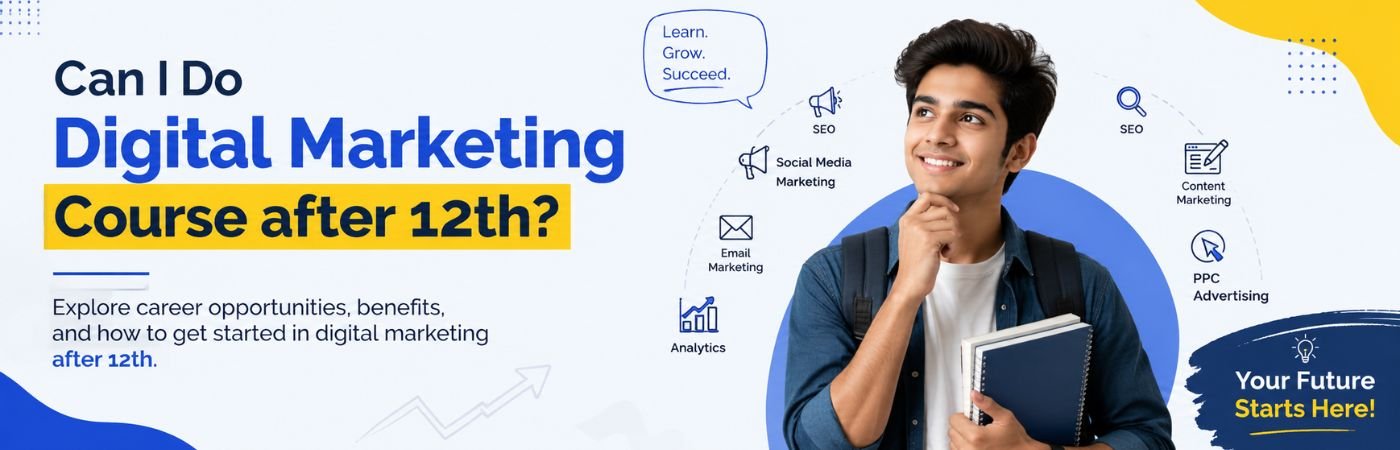
In today’s rapidly evolving digital landscape, a career in digital marketing is no longer a niche pursuit but a mainstream, highly sought-after profession. With businesses of all sizes flocking online to reach their target audiences, the demand for skilled digital marketers has skyrocketed. This begs a crucial question for many young individuals: Can I do a digital marketing course after 12th grade? The answer is a resounding yes!
In fact, pursuing a digital marketing course right after completing your 12th-grade examinations can be one of the most strategic career moves you make in 2026. This comprehensive guide will explore why this is an opportune time, what courses are available, the benefits of starting early, and how to navigate your path to a successful career in this field.
Growth in Digital Marketing Industry
The digital marketing industry is experiencing unprecedented growth. According to recent industry reports from 2026, the global digital advertising spending is projected to exceed a staggering $800 billion, highlighting the immense investment businesses are making in online visibility. This surge in digital activity directly translates into a high demand for professionals who can effectively manage and execute digital marketing strategies. From social media management and search engine optimization (SEO) to content creation and data analytics, the spectrum of digital marketing roles is vast and continues to expand.
For students who have just completed their 12th grade, the world of higher education and career exploration can seem daunting. However, the accessibility and flexibility of digital marketing courses make them an ideal choice for those looking to enter the workforce sooner or gain specialized skills before committing to a traditional degree. The key is to understand the landscape and choose the right path that aligns with your aspirations and learning style.
Why Digital Marketing is a Smart Choice After 12th Grade
Several compelling reasons make digital marketing an attractive and practical career path for individuals fresh out of high school in 2026:
High Demand and Job Security
The digital transformation is not a trend; it’s a fundamental shift in how businesses operate. Every company, from local startups to multinational corporations, needs a strong online presence. This necessity fuels a continuous demand for digital marketers. As technology advances and new platforms emerge, the need for adaptable professionals who can navigate these changes will only grow. This translates into excellent job security and numerous career opportunities. The U.S. Bureau of Labor Statistics consistently forecasts strong growth for marketing, advertising, and public relations managers, a sector that heavily incorporates digital strategies.
Diverse Career Opportunities
Digital marketing is not a monolithic field. It encompasses a wide array of specializations, allowing individuals to find a niche that best suits their interests and talents.
Some of the popular roles include:
- SEO Specialist: Optimizing websites to rank higher in search engine results.
- Social Media Manager: Creating and managing content for social media platforms.
- Content Marketing Specialist: Developing engaging content to attract and retain customers.
- PPC (Pay-Per-Click) Specialist: Managing paid advertising campaigns on platforms like Google Ads and social media.
- Email Marketing Specialist: Designing and executing email campaigns to nurture leads and engage customers.
- Digital Marketing Manager: Overseeing all digital marketing efforts for a company.
- Marketing Data Analyst: Analyzing data to measure campaign performance and identify trends.
- Affiliate Marketing Manager: Developing and managing affiliate programs.
- Influencer Marketing Specialist: Collaborating with social media influencers.
This diversity means that whether you are creative, analytical, or a people person, there’s a role in digital marketing for you.
Earning Potential
The demand for skilled digital marketers, coupled with the critical role they play in business growth, often translates into competitive salaries. Entry-level positions can offer a solid starting point, and with experience and specialization, earning potential can grow significantly. A report from Forbes in early 2026 highlighted that digital marketing professionals are among the most sought-after in the tech and business sectors, often commanding salaries well above the average for many other entry-level roles.
Entrepreneurial Opportunities
The skills learned in digital marketing are invaluable for aspiring entrepreneurs. Whether you want to start your own e-commerce business, launch a service-based company, or become a freelancer, digital marketing expertise will empower you to market your ventures effectively and cost-efficiently. You can build your own brand, reach your target customers, and drive sales without relying heavily on external agencies.
Continuous Learning and Innovation
The digital marketing landscape is constantly evolving with new technologies, platforms, and strategies emerging regularly. This means that a career in digital marketing is never stagnant. It offers continuous opportunities for learning, adaptation, and innovation, keeping the work engaging and intellectually stimulating. If you enjoy staying ahead of trends and are eager to learn new things, digital marketing is an excellent fit.
Digital Marketing Courses Available After 12th Grade
For students who have completed their 12th grade, there are various educational pathways to enter the digital marketing field. These range from short-term certification programs to full-fledged degree courses.
Certification Courses
These are typically shorter, more focused programs designed to equip students with specific digital marketing skills. They are often offered by online learning platforms, industry-specific training institutes, and even some universities.
Duration: Varies from a few weeks to a few months.Focus: Specific areas like SEO, social media marketing, Google Ads, content writing, etc.
Benefits: Quick entry into the job market, cost-effective, flexible learning.
Providers: Many reputable online platforms offer certifications, often recognized by industry employers. Look for courses that offer hands-on projects and cover the latest tools and techniques.
Diploma Courses
Diploma programs offer a more comprehensive overview of digital marketing than certification courses. They provide a broader understanding of various digital marketing channels and strategies.
Duration: Typically 6 months to 1 year.
Focus: A wider range of digital marketing topics, often including strategy development and campaign management.
Benefits: Provides a more in-depth understanding, can be a good stepping stone to advanced studies or direct employment.
Bachelor’s Degree Programs
For those who prefer a more traditional academic route, pursuing a bachelor’s degree with a specialization in digital marketing or a related field is an excellent option.
Duration: Typically 3-4 years.
Focus: A comprehensive curriculum covering marketing principles, business strategy, and digital marketing specializations.
Degrees to Consider:
Bachelor of Business Administration (BBA) with a Major in Digital Marketing: This provides a strong foundation in business principles alongside marketing expertise. Bachelor of Marketing: A traditional marketing degree that increasingly incorporates digital marketing modules. Bachelor of Commerce (B.Com) with a Digital Marketing Specialization: Focuses on the commercial aspects of marketing. Bachelor of Mass Media (BMM) or Bachelor of Arts (BA) in Communication/Media Studies: These can be pathways if they offer digital marketing electives or specializations.
Benefits: Provides a strong theoretical foundation, broad business knowledge, and a recognized qualification that can open doors to a wider range of opportunities, including management roles. Many universities are now offering dedicated digital marketing degrees or concentrations. The Harvard Business Review frequently publishes articles on the strategic importance of digital marketing, underscoring the value of formal education in this field.
Integrated Programs
Some institutions offer integrated programs that combine a bachelor’s degree with a professional digital marketing certification, offering the best of both worlds.
What You Will Learn in a Digital Marketing Course
Regardless of the type of course you choose, a good digital marketing program will cover a range of essential topics. These form the bedrock of effective digital marketing strategies.
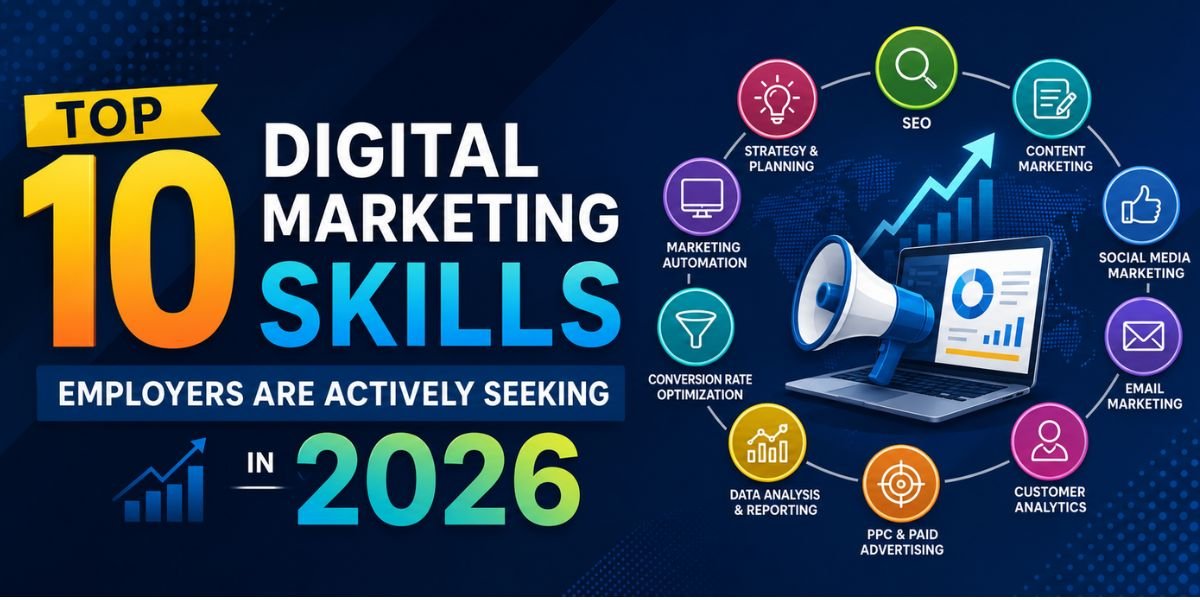
Search Engine Optimization (SEO)
Understanding how to optimize websites to rank higher in search engine results pages (SERPs) is fundamental. This includes keyword research, on-page optimization, off-page optimization (link building), technical SEO, and local SEO. Learning SEO will equip you with the skills to drive organic traffic to websites.
Search Engine Marketing (SEM) / Pay-Per-Click (PPC) Advertising
This involves managing paid advertising campaigns on search engines like Google. You’ll learn about platforms like Google Ads, campaign setup, keyword bidding, ad copywriting, landing page optimization, and performance tracking. Understanding PPC is crucial for driving targeted traffic quickly.
Social Media Marketing (SMM)
This covers strategies for using social media platforms (Facebook, Instagram, LinkedIn, Twitter, TikTok, etc.) for marketing. You’ll learn about content creation, community management, social media advertising, influencer marketing, and analytics.
Content Marketing
This is about creating and distributing valuable, relevant, and consistent content to attract and retain a clearly defined audience. You’ll learn about content strategy, blog writing, video marketing, infographic creation, and content distribution channels.
Email Marketing
A powerful tool for customer engagement and lead nurturing. You’ll learn about email list building, segmentation, campaign design, automation, and analytics.
Analytics and Data Interpretation
Understanding how to measure, analyze, and interpret marketing data is critical. You’ll learn to use tools like Google Analytics to track website traffic, user behavior, campaign performance, and to derive actionable insights.
Website Planning and Creation Basics
While you won’t necessarily become a web developer, understanding basic website structure, user experience (UX), and content management systems (CMS) like WordPress is beneficial.
Mobile Marketing
With the increasing use of mobile devices, understanding mobile-specific marketing strategies, including mobile advertising, SMS marketing, and app marketing, is essential.
Digital Marketing Strategy and Planning
This involves understanding how to integrate various digital marketing channels into a cohesive strategy to achieve specific business objectives.
Benefits of Starting Your Digital Marketing Education Early
Starting a digital marketing course after 12th grade offers several distinct advantages:
Early Career Start
By completing a certification or diploma program, you can enter the job market much sooner than your peers who opt for a traditional 3-4 year degree immediately. This early start allows you to gain valuable work experience, build a professional network, and advance in your career while others are still in university.
Practical Skills Development
Digital marketing is a very hands-on field. Courses that emphasize practical application, case studies, and real-world projects will equip you with skills that employers are actively seeking. You’ll learn to use the actual tools and platforms used in the industry.
Cost-Effectiveness
Shorter certification or diploma courses are generally more affordable than a full bachelor’s degree. This can be a significant advantage for students and their families, allowing them to gain valuable skills without incurring substantial debt. You can always pursue a degree later if you choose, perhaps even with financial support from an employer.
Flexibility and Exploration
Starting with a focused course allows you to explore your interest in digital marketing without a long-term commitment. If you discover a passion for a particular area, you can then pursue further specialization. If not, you’ve gained marketable skills that are transferable to many other roles.
Building a Portfolio
Many digital marketing courses include projects that can form the basis of your professional portfolio. A strong portfolio showcasing your skills and achievements is invaluable when applying for jobs.
How to Choose the Right Digital Marketing Course
With numerous options available, selecting the right course can be challenging. Here are key factors to consider:
Curriculum Relevance
Ensure the course curriculum is up-to-date and covers the latest trends, tools, and platforms in digital marketing. Look for modules on SEO, SEM, SMM, content marketing, analytics, and emerging areas.
Instructor Expertise
Research the instructors. Do they have practical industry experience? Are they recognized experts in their fields? Learning from seasoned professionals can provide invaluable insights.
Practical Training and Projects
A good course should offer ample opportunities for hands-on practice. Look for courses that include case studies, simulations, live projects, and assignments that mimic real-world scenarios.
Certification and Recognition
Check if the course offers a recognized certification. While industry experience and a portfolio are paramount, a reputable certification can add credibility to your profile. Consider courses that prepare you for industry-standard certifications like those offered by Google or HubSpot.
Learning Format and Flexibility
Courses are available online, in-person, and in hybrid formats. Choose a format that best suits your learning style, schedule, and location. Online courses offer the most flexibility.
Cost and Value
Compare the course fees with the curriculum, instructor quality, and expected outcomes. Ensure the investment is worthwhile.
Placement Assistance (If Applicable)
Some institutes offer placement assistance or career services. While not a guarantee, this can be helpful for fresh graduates looking to land their first job.
Building a Successful Career in Digital Marketing
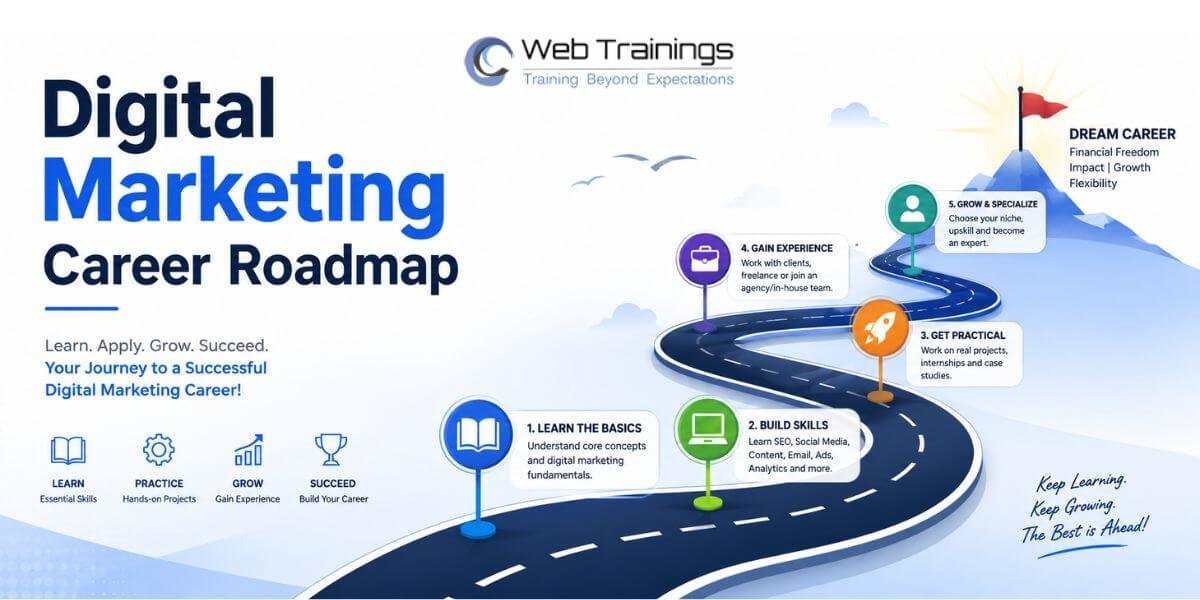
Completing a course is just the first step. To build a thriving career in digital marketing after 12th grade, consider the following:
Gain Practical Experience
Theoretical knowledge is important, but practical experience is crucial.
Internships: Seek internships at digital marketing agencies, startups, or established companies. This is an excellent way to learn on the job and build your resume.
Freelancing: Offer your services on freelance platforms. Start with smaller projects to build your confidence and portfolio.
Personal Projects: Create your own blog, website, or social media page and apply your digital marketing skills to grow it. This demonstrates initiative and practical application.
Stay Updated
The digital marketing landscape changes rapidly. Make it a habit to read industry blogs, follow thought leaders, attend webinars, and experiment with new tools and platforms. Resources like MarketingProfs offer a wealth of information.
Network
Connect with other professionals in the field. Attend industry events (online and offline), join professional groups on LinkedIn, and build relationships. Networking can lead to job opportunities, mentorship, and valuable insights.
Specialize
As you gain experience, consider specializing in a particular area of digital marketing that interests you most, such as SEO, PPC, content strategy, or data analytics. Specialization can make you a more valuable asset to employers.
Develop Soft Skills
While technical skills are essential, don’t overlook soft skills like communication, problem-solving, creativity, adaptability, and teamwork. These are vital for success in any role.
The Future of Digital Marketing and Your Role in It
The future of digital marketing in 2026 and beyond is incredibly bright and dynamic. We are seeing a continued rise in:
Artificial Intelligence (AI) and Machine Learning (ML): AI is transforming how campaigns are optimized, content is personalized, and data is analyzed. Professionals who understand how to leverage AI tools will be highly in demand.
Personalization: Consumers expect tailored experiences. Digital marketers will need to excel at creating personalized content and campaigns across various channels.
Video Marketing: Video content continues to dominate. Short-form video (like on TikTok and Instagram Reels) and live streaming are growing rapidly.
Voice Search Optimization: With the increasing popularity of smart speakers and voice assistants, optimizing content for voice search is becoming increasingly important.
Data Privacy: With evolving regulations and consumer awareness around data privacy, ethical data handling and transparent marketing practices will be paramount.
Augmented Reality (AR) and Virtual Reality (VR): While still emerging, AR and VR offer new avenues for immersive marketing experiences.
By starting your digital marketing journey after 12th grade, you are positioning yourself to be at the forefront of these exciting developments. You have the opportunity to learn and grow with the industry, adapting to new technologies and strategies as they emerge.
Conclusion
The question “Can I do a digital marketing course after 12th?” has a clear and encouraging answer: absolutely! In 2026, digital marketing offers a dynamic, in-demand, and rewarding career path for young individuals. Whether you choose a short-term certification, a diploma, or a full bachelor’s degree, equipping yourself with digital marketing skills after your 12th grade is a forward-thinking decision. The industry’s rapid growth, diverse opportunities, and potential for continuous learning make it an ideal field for those seeking a fulfilling and secure career. By selecting the right course, focusing on practical experience, and committing to lifelong learning, you can successfully launch a thriving career in digital marketing and contribute to the digital success of businesses worldwide.
Frequently Asked Questions
What are the basic eligibility criteria for a digital marketing course after 12th?
Generally, most digital marketing certification and diploma courses after 12th grade require a student to have completed their 10+2 education from a recognized board. Some bachelor’s degree programs will have specific subject requirements or minimum marks depending on the university. There are usually no strict subject prerequisites for entry-level digital marketing certification courses, making them accessible to students from various academic backgrounds.
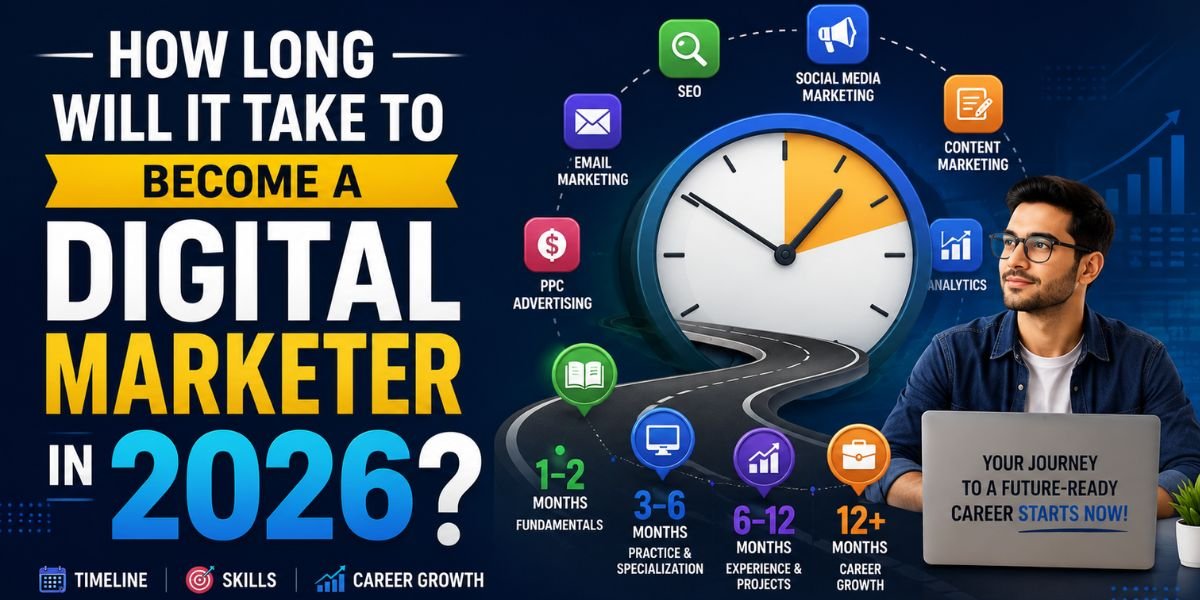
How long does it take to complete a digital marketing course after 12th?
The duration varies significantly. Certification courses can range from a few weeks to 3-6 months. Diploma courses typically last 6 months to 1 year. Bachelor’s degree programs in marketing or digital marketing take 3-4 years to complete. The choice depends on your career goals and the depth of knowledge you wish to acquire.
What kind of jobs can I get after completing a digital marketing course after 12th?
After completing a course, you can pursue entry-level roles such as SEO Executive, Social Media Executive, Content Writer, PPC Assistant, Digital Marketing Coordinator, Email Marketing Assistant, or Marketing Intern. With experience, you can progress to roles like Digital Marketing Manager, SEO Specialist, Content Strategist, or Analytics Manager.
Is digital marketing a good career option for the future?
Yes, digital marketing is considered an excellent career option for the future. The continuous growth of the internet, e-commerce, and online businesses ensures a sustained demand for digital marketing professionals. As technology evolves, so will the field, offering continuous opportunities for those who adapt and learn. The skills acquired are highly transferable and relevant across industries.
Do I need to be good at coding or graphic design to do a digital marketing course?
No, you do not necessarily need to be proficient in coding or graphic design to excel in digital marketing. While basic understanding and familiarity with these areas can be beneficial, digital marketing courses focus on strategy, content, analytics, and campaign management. There are specialized roles within digital marketing for coders (e.g., technical SEO) and designers, but most general digital marketing roles do not require deep expertise in these areas. Many tools and platforms used in digital marketing are user-friendly.
Can I start freelancing in digital marketing right after my course?
Yes, many individuals start freelancing in digital marketing shortly after completing a relevant course. The skills learned in areas like SEO, content writing, social media management, and PPC are in demand for freelance projects. Building a strong portfolio and networking are key to securing freelance clients. Starting with smaller projects can help build experience and confidence.